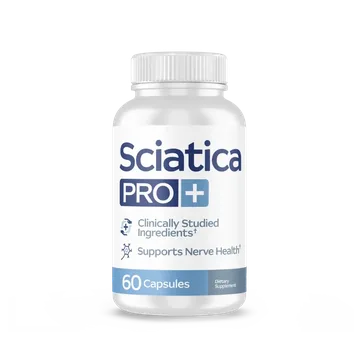
Official product information
Choosing a Nerve Supplement
To choose a nerve supplement, read the Supplement Facts panel, insist on an amount beside every ingredient, compare those amounts with the doses used in research, and ask what condition that research was in. Check botanicals for standardisation, check your other supplements for vitamin B6, and check that the seller can be reached.
The seven-point checklist
This works for any nerve or pain supplement. It takes a couple of minutes per product, and it removes most bad purchases before you have spent anything.
Turn the bottle around
The front is advertising. The Supplement Facts panel is the regulated part, and it is where amounts live.
Look for an amount beside every name
A proprietary blend gives one total and hides the rest. Walk away from it on any product sold for a health outcome.
Compare each amount with the studied dose
Search the ingredient name plus “dose” plus the condition. Two minutes, and it settles most purchases.
Ask what condition the studies were in
Nerve-supplement research is mostly in diabetic neuropathy. That is not the same as sciatica, or as chemotherapy-related nerve pain.
Check for standardisation on botanicals
“Turmeric 500 mg” and “turmeric extract standardised to 95% curcuminoids, 500 mg” are different products.
Check your other supplements
Especially vitamin B6, which stacks across B-complex products and causes nerve damage in long-term excess.
Check the seller
A phone number, a returns address, a lot code and a named distributor.
How Sciatica PRO scores on the checklist
| Point | Sciatica PRO |
|---|---|
| Panel shown | Yes, in full |
| Amount beside every name | Yes, all ten. No proprietary blend |
| Amounts match studied doses | One does (ALA 400 mg). Benfotiamine is low; ALC and the botanicals are token |
| Studies in the right condition | No. Mostly diabetic peripheral neuropathy, and none in sciatica |
| Standardisation on botanicals | None stated |
| B6 stacking risk | Low as printed, but the unit on the panel looks like a misprint |
| Seller details | Yes: named distributor, Akron, OH 44301, with a phone and email on the label |
That is roughly three and a half out of seven, and it is the best score we have given a product on this desk. Sciatica PRO is genuinely transparent about what is in the capsule. What it is not transparent about is what the evidence behind its front-of-bottle claim actually applies to.
What a good nerve-supplement label looks like
For comparison, here is the shape of a label that answers the questions. The figures below are illustrative of the category, not those of any particular product.
| Line | What you want to see |
|---|---|
| Serving size | Capsules per day, and what the panel is written per |
| Each active ingredient | Its own line and its own amount |
| Vitamins | Amount plus percentage of the Daily Value, in the right units |
| Botanicals | Amount plus standardisation: “standardised to x% of y” |
| Any studied compound | An amount you can match to a published trial |
| Other ingredients | Capsule material, fillers, flow agents |
| Distributor | A company, a city, and a way to reach it |
Signs to pause on a nerve supplement label, and where Sciatica PRO stands
- “FDA approved.” No supplement is.
- A product named after a medical condition. The name is doing work the label is not allowed to do.
- A proprietary blend on a product sold for a health outcome.
- “Clinically studied” with no study, no condition and no citation.
- Ingredient amounts far below the doses in the research the product alludes to.
- Marketing images whose ingredient lists do not match the panel.
- Testimonials about a condition that usually improves on its own.
- Any suggestion, however soft, that you could reduce a prescribed medicine.
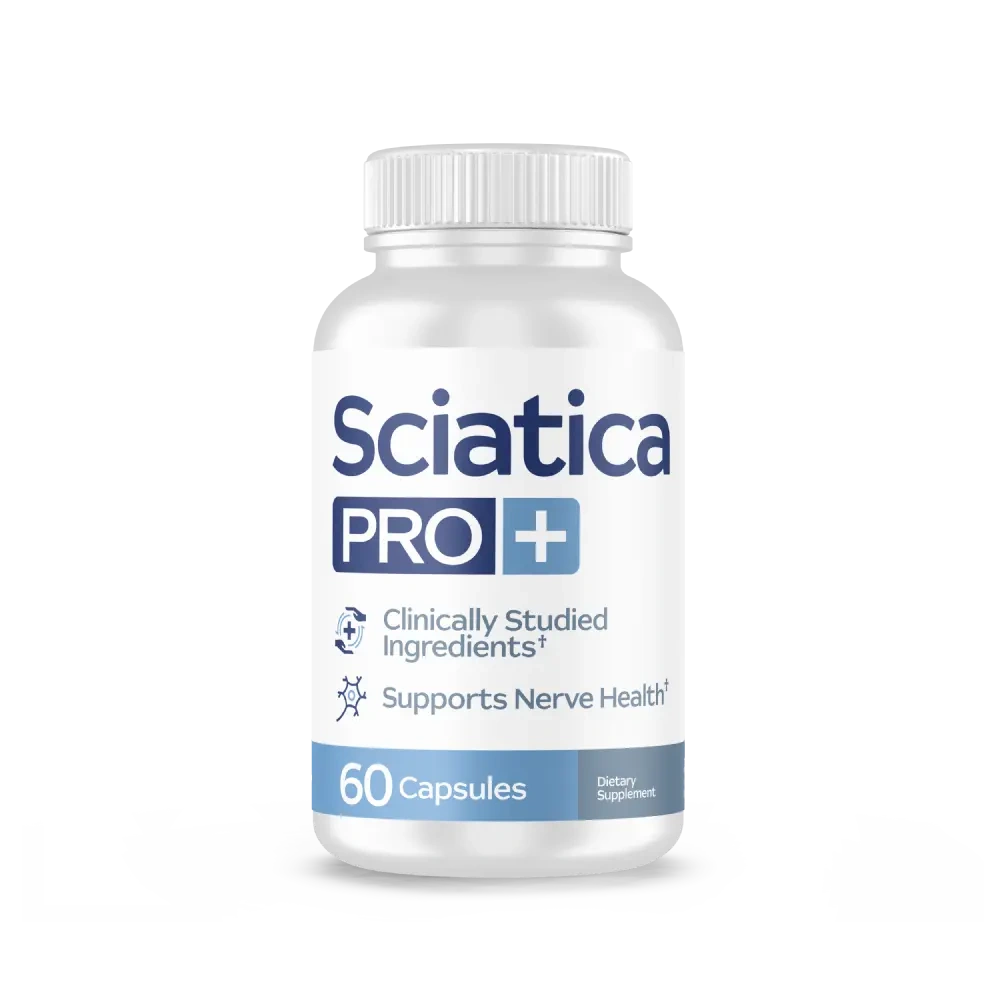
Been through the list? See the Sciatica PRO packs and decide with your eyes open.
Check today’s priceChoosing: questions
More answers on the full FAQ page.
Are the amounts enough?
Some are and some are not. Alpha lipoic acid at 400 mg is close to the 600 mg used in research. Acetyl L-carnitine at 50 mg is about 2–3% of the 1,500–3,000 mg used in nerve trials, and ashwagandha, turmeric and broccoli at 25 mg are token amounts.
What does “clinically studied ingredients” mean here?
It means some of the ingredients have appeared in clinical trials. It does not mean this product has been trialled, and it does not say what the trials studied. The three ingredients with the most research behind them were studied mainly in diabetic peripheral neuropathy, which is a different problem from sciatica.
Is there a mistake on the label?
There appears to be one. The panel prints vitamin B6 as “1.7 mcg” at 100% of the Daily Value. The Daily Value for B6 is 1.7 milligrams, so as printed the amount is a thousandth of what the percentage claims. We flag it rather than quietly correct it.
Is the B6 in it safe?
At the amount as printed, 1.7 mcg, it is far below any concern. If the real amount is 1.7 mg, that is the ordinary daily requirement and also fine. The caution matters for people stacking several B-complex products, because long-term intakes well above the upper limit have caused nerve damage.
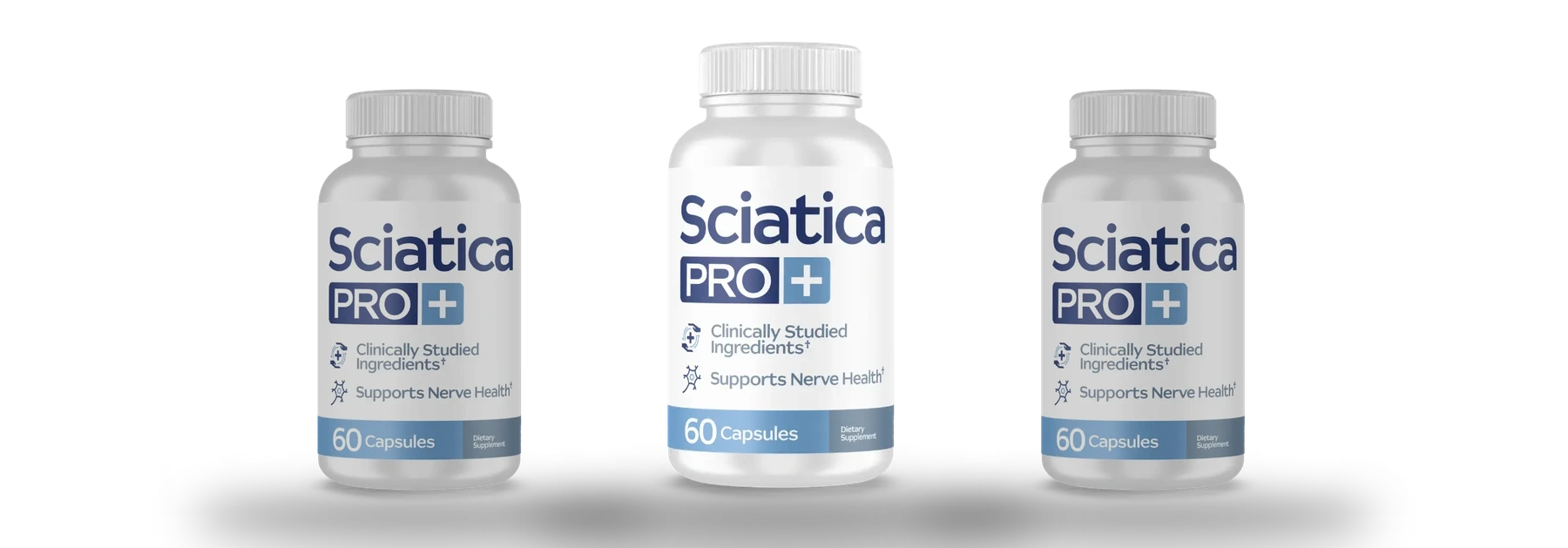
Ready to try Sciatica PRO?
Pick a pack and see the price at checkout. The money-back guarantee is 60 days from purchase, unless the sales page prints a longer window. Questions first? Contact the order desk.
Sold through a U.S. stocking partner for Sciatica PRO. This site is not the manufacturer and earns when you buy.