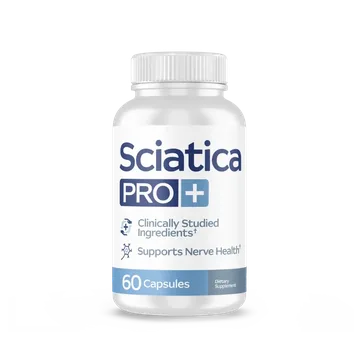
Official product information
How Does Sciatica PRO Work? The Formula Explained
Sciatica PRO is built as a nerve-support formula: B-vitamins that nerves need, plus three compounds common in nerve research.
Those three are alpha lipoic acid 400 mg, benfotiamine 150 mg and acetyl L-carnitine 50 mg, alongside small amounts of ashwagandha, turmeric and broccoli.
Next, see every amount.
The idea behind the formula
Sciatica PRO is built the way nerve-support formulas are usually built: the B-vitamins that nerves actually need, plus the three compounds that appear most often in peripheral-neuropathy research, plus a few botanicals for the label.
That is a coherent design, and it is worth saying so before the criticism. The problem is not that the ingredients are random. It is what the research behind them was actually about, and how much of each is in the capsule.
| Group | Ingredients | Why they are in a nerve formula | How well it holds up |
|---|---|---|---|
| Nerve vitamins | B6, B12, folate, D3 | Real deficiencies in B12 and B6 cause real nerve damage | Solid if you are deficient; a blood test tells you |
| Neuropathy research compounds | Alpha lipoic acid, benfotiamine, acetyl L-carnitine | All three have been trialled in diabetic peripheral neuropathy | Mixed results, and two of the three are underdosed here |
| Botanicals | Ashwagandha, turmeric, broccoli | Stress, inflammation and general wellness framing | Token amounts; below any studied dose |
What the trials were actually about
This is the part worth reading slowly, because it is where a reasonable-looking product and a reasonable-looking expectation come apart.
Diabetic peripheral neuropathy is nerve damage caused by years of high blood sugar. It usually affects both feet, it comes on gradually, and the mechanism involves metabolic damage to the nerve itself. That is the condition alpha lipoic acid, benfotiamine and acetyl L-carnitine have mostly been studied in.
Sciatica is different in every respect that matters. It is caused by pressure on or irritation of a nerve root in the lower spine, usually by a bulging disc or a narrowed canal. It is usually one-sided, it often starts suddenly, and the problem is mechanical rather than metabolic. Most cases improve over weeks as the irritation settles.
| Diabetic peripheral neuropathy | Sciatica | |
|---|---|---|
| Cause | High blood sugar damaging nerves over years | A disc or narrowing pressing on a nerve root |
| Where | Usually both feet, symmetrical | Usually one leg, following the nerve |
| Onset | Gradual, over years | Often sudden |
| Course | Chronic, progressive if sugar stays high | Most cases improve over weeks |
| Mainstay of care | Blood-sugar control and specific medicines | Staying active, physiotherapy, medical review (National Institute of Neurological Disorders and Stroke, “Pain”) |
What the research says, ingredient by ingredient
| Ingredient | What reviewed sources say |
|---|---|
| Alpha lipoic acid | Studied in diabetic neuropathy, usually at 600 mg a day; NCCIH describes the evidence as limited (National Center for Complementary and Integrative Health, “Diabetes and Dietary Supplements”) |
| Benfotiamine | A better-absorbed thiamine; thiamine deficiency itself causes nerve damage (NIH Office of Dietary Supplements, “Thiamin: Fact Sheet for Health Professionals”) |
| Acetyl L-carnitine | Trialled in neuropathy at 1,500–3,000 mg a day; 50 mg here (NIH Office of Dietary Supplements, “Dietary Supplements for Exercise and Athletic Performance”) |
| Vitamin B12 | A real deficiency causes nerve damage and needs proper testing and treatment (NIH Office of Dietary Supplements, “Vitamin B12: Fact Sheet for Health Professionals”) |
| Vitamin B6 | Essential for nerves; long-term excess causes nerve damage of its own (NIH Office of Dietary Supplements, “Vitamin B6: Fact Sheet for Health Professionals”) |
| Folate | Folic acid can mask a B12 deficiency (NIH Office of Dietary Supplements, “Folate: Fact Sheet for Health Professionals”) |
| Vitamin D3 | Correcting a deficiency is worthwhile; the link to nerve pain is weak (NIH Office of Dietary Supplements, “Vitamin D: Fact Sheet for Health Professionals”) |
| Ashwagandha | Mostly studied for stress and sleep, at 300–600 mg of extract (National Center for Complementary and Integrative Health, “Ashwagandha”) |
| Turmeric | Curcumin research uses standardised extracts, not 25 mg of powder (National Center for Complementary and Integrative Health, “Turmeric”) |
| Broccoli powder | No trial exists at anything like 25 mg |
What actually helps sciatica
Supported
- Staying active within comfort, rather than bed rest
- Physiotherapy or a structured exercise programme
- Medical review, and treatment matched to the cause
- Time: most cases settle over weeks
- Sleep and pacing, which change how pain is experienced
Not supported
- Any supplement, for the nerve compression itself
- Long bed rest
- Ignoring red-flag symptoms
- Stopping prescribed treatment because a capsule arrived
The full version, including what the evidence supports and what it does not, is on our sciatica guide (National Institute of Neurological Disorders and Stroke, “Pain”).
Adding a B-vitamin capsule alongside proper care? One bottle of Sciatica PRO is 30 days.
Check today’s priceHow Sciatica PRO works: questions
More answers on the full FAQ page.
Does Sciatica PRO treat sciatica?
No. The label’s own small print says the product is not intended to diagnose, treat, cure or prevent any disease. Sciatica is a medical condition caused by pressure or irritation of the sciatic nerve, usually from a disc or spinal narrowing, and no supplement treats it. The product is named after the condition; that is marketing, not a claim it is allowed to make.
What does “clinically studied ingredients” mean here?
It means some of the ingredients have appeared in clinical trials. It does not mean this product has been trialled, and it does not say what the trials studied. The three ingredients with the most research behind them were studied mainly in diabetic peripheral neuropathy, which is a different problem from sciatica.
Are the amounts enough?
Some are and some are not. Alpha lipoic acid at 400 mg is close to the 600 mg used in research. Acetyl L-carnitine at 50 mg is about 2–3% of the 1,500–3,000 mg used in nerve trials, and ashwagandha, turmeric and broccoli at 25 mg are token amounts.
How long does Sciatica PRO take to work, and how will you know?
No timeline is published or promised. Judge any daily capsule over four weeks or more, and see a doctor about nerve pain rather than waiting on a supplement.
Ready to try Sciatica PRO?
Pick a pack and see the price at checkout. The money-back guarantee is 60 days from purchase, unless the sales page prints a longer window. Questions first? Contact the order desk.
Sold through a U.S. stocking partner for Sciatica PRO. This site is not the manufacturer and earns when you buy.