From the blog
Label Amount vs Study Dose: The Two-Minute Check
Take the amount printed beside an ingredient, find the dose used in the research that ingredient is famous for, and divide. If the label is at or near the studied amount, the research is at least relevant. If it is at 10% or less, the ingredient is on the label to be read rather than to do anything. The trade calls the latter fairy dusting, and a published panel is the only thing that lets you spot it.
Why the number matters more than the name
An ingredient list is a list of nouns. On its own it tells you almost nothing, because the same noun can appear at a hundred times the amount on one label as on another, and the research only ever applies to a dose.
This is the single most useful idea in supplement shopping, and it takes two minutes per ingredient to apply. Find the amount on the panel. Find the amount used in the studies that ingredient is known for. Divide one by the other. That ratio is the whole review.
It is also why a proprietary blend is worse than it looks. A blend gives one total for several ingredients, so the ratio cannot be calculated at all, and the honest review of a blended product ends at “we cannot tell you.”
Fairy dusting, and how to recognise it
There is a name in the trade for putting a famous ingredient on a label at an amount too small to do anything: fairy dusting. It is legal, it is common, and it is rational from a marketing point of view, because the ingredient name sells the product and the amount costs money.
The tells are consistent once you know them.
A long ingredient list
Fifteen names in a two-capsule serving means most of them are present in milligrams that would not fill a pinhead.
Round, tiny numbers
25 mg, 10 mg, 5 mg of a botanical. Real doses are rarely that tidy and rarely that small.
No standardisation
“Turmeric 25 mg” rather than “turmeric extract, standardised to 95% curcuminoids.” The second costs more for a reason.
Famous names at the bottom
Ingredients are listed in descending order. The celebrity ingredient sitting last is telling you something.
The worked example
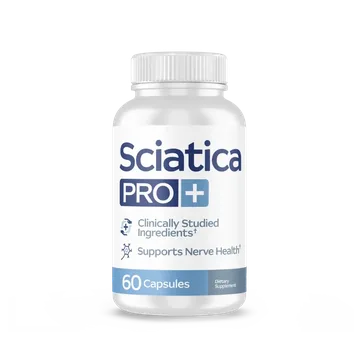
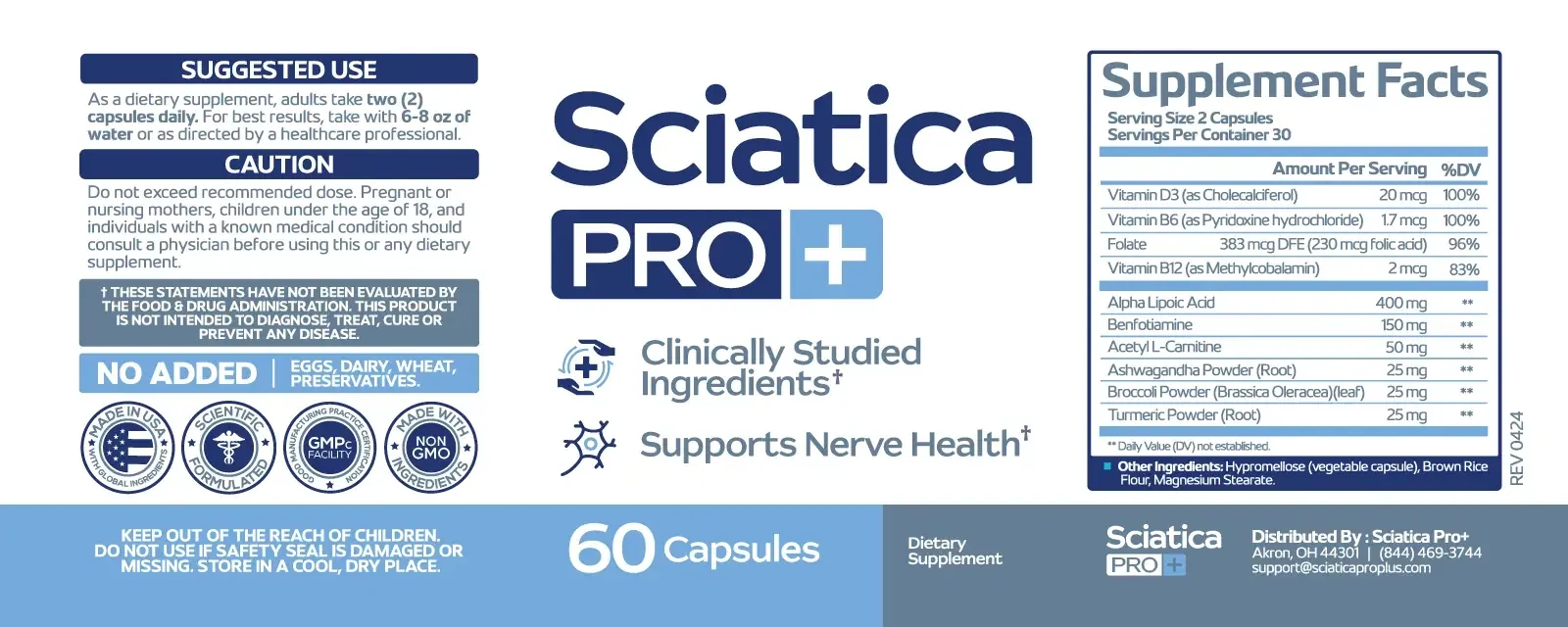
Sciatica PRO is a useful product to demonstrate this on, for a reason that is to its credit: it publishes an amount for every one of its ten ingredients and uses no proprietary blend. That means the check can actually be run, which is not true of most products this desk writes about.
- Alpha lipoic acid600 mg a day is the usual trial dose400 mgIn the right neighbourhood
- Benfotiamine300–600 mg a day in most trials150 mgA quarter to a half of a studied dose
- Acetyl L-carnitine1,500–3,000 mg a day in nerve trials50 mgAbout 2–3% of a studied dose
- Ashwagandha powder300–600 mg a day of root extract25 mgUnder a tenth of a studied dose
- Turmeric powder500–2,000 mg a day of extract in trials25 mgA token amount of plain powder
- Broccoli powderNo trial dose to compare with25 mgA pinch of vegetable powder
Trial ranges are the ones usually quoted for these ingredients in peripheral-neuropathy and general research. They are not studies of Sciatica PRO, and none of them is a study of sciatica.
Read down that list and the pattern is unmissable. One ingredient is at something like a studied amount. One is at a quarter to a half. The rest are at amounts no study has used, and three of them are at exactly 25 mg, which is the shape of a decision made on a label rather than in a formulation.
How to find the studied dose
Search the ingredient plus “randomized controlled trial”
PubMed is free and the abstracts are enough.
Read the methods line, not the conclusion
You want the dose and the duration, not the authors’ optimism.
Note the form as well as the amount
A standardised extract at 200 mg is not the same as 200 mg of dried root.
Check the population
Healthy volunteers, people with diabetes and people on chemotherapy give different answers.
Write down a range, not a number
Trials disagree. A range of 300–600 mg is a more honest benchmark than a single figure.
Then divide
Label amount ÷ studied amount. Anything under a tenth is decoration.
Three worked ratios
Taking the three clearest cases on this label and doing the arithmetic out loud.
| Ingredient | Label | Studied | Ratio | Reading |
|---|---|---|---|---|
| Alpha lipoic acid | 400 mg | 600 mg a day | About 2/3 | Close enough that the research is at least relevant (National Center for Complementary and Integrative Health, “Diabetes and Dietary Supplements”) |
| Acetyl L-carnitine | 50 mg | 1,500–3,000 mg a day | About 1/50 | The research is about a different exposure (NIH Office of Dietary Supplements, “Dietary Supplements for Exercise and Athletic Performance”) |
| Turmeric powder | 25 mg | 500–2,000 mg of extract | Under 1/50, before potency | Raw powder is 2–5% curcumin, so roughly 1 mg of the studied compound (National Center for Complementary and Integrative Health, “Turmeric”) |
The turmeric line deserves a second look, because it is the one where potency compounds the problem. Curcumin research uses standardised extracts, often with an absorption enhancer. Twenty-five milligrams of plain root powder carries on the order of a single milligram of curcumin, and curcumin is notoriously poorly absorbed even when you take a great deal of it. Ashwagandha has the same issue at the same 25 mg (National Center for Complementary and Integrative Health, “Ashwagandha”).
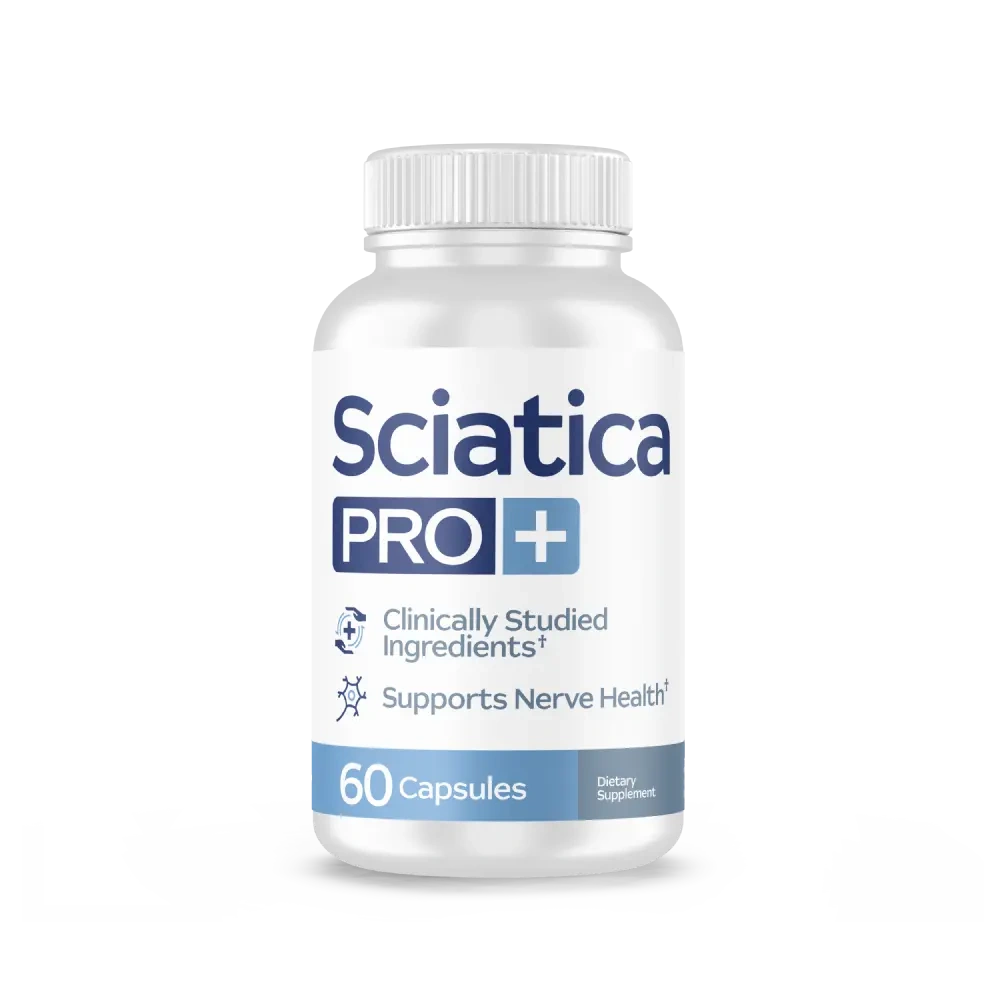
See the Sciatica PRO panel with every amount.
Check today’s priceWhen a small amount is genuinely fine
The check has an important exception, and skipping it turns a useful habit into a reflex. Vitamins and minerals are measured against a Daily Value, not against a trial dose, and for most of them a normal daily amount is exactly right.
Twenty micrograms of vitamin D3 is 100% of the Daily Value. Two micrograms of B12 is 83% of it. Those are not fairy dusting; they are the amounts a reference adult is meant to get in a day. The comparison you want for a vitamin is with the Daily Value and, if you are treating a deficiency, with what your clinician has actually prescribed, which is usually much larger.
So: vitamins and minerals against the Daily Value. Botanicals, amino acids and studied compounds against the trial dose. Two different rulers, and using the wrong one gets you the wrong answer in both directions.
What it costs to do it properly
A fair question is why any company would fairy-dust when the check is this easy. The answer is mostly arithmetic. Alpha lipoic acid at 400 mg a serving, thirty servings to a bottle, is twelve grams of raw material per bottle. Acetyl L-carnitine at a genuine 1,500 mg would be forty-five grams. The second product costs several times more to make and looks identical on a shelf.
Which is why products that do pay for real doses tend to say so loudly, with the number in the marketing rather than buried on the back. If a company has spent the money, it wants you to know.
A short checklist to keep
- Is there an amount beside every ingredient, or is there a blend?
- For each named compound: label amount ÷ studied amount.
- For each botanical: is a standardisation stated?
- For each vitamin: how does it compare with the Daily Value?
- Is the famous ingredient near the top of the list or the bottom?
- Does the total add up to something a capsule could physically hold?
That last one is a useful sanity check. A two-capsule serving holds roughly 1,000 to 1,500 mg of powder in total. Any label promising several grams of active ingredients in two capsules is describing a capsule that does not exist.
The bottom line
A supplement label is a list of nouns until you add the numbers, and the numbers only mean something next to the doses used in research. Label amount divided by studied amount is the whole review, and it takes two minutes.
On Sciatica PRO that arithmetic gives a mixed answer, which is the honest kind: alpha lipoic acid at a real amount, benfotiamine low, and acetyl L-carnitine and the botanicals at amounts that exist to be read. The reason we can tell you any of that is that this label prints its numbers. Most do not.
Sources
- National Center for Complementary and Integrative Health. Diabetes and Dietary Supplements. NCCIH, current page. Checked September 30, 2026.
- NIH Office of Dietary Supplements. Dietary Supplements for Exercise and Athletic Performance. NIH ODS, current revision. Checked September 30, 2026.
- National Center for Complementary and Integrative Health. Turmeric. NCCIH, current page. Checked September 30, 2026.
- National Center for Complementary and Integrative Health. Ashwagandha. NCCIH, current page. Checked September 30, 2026.
- U.S. Food and Drug Administration. Dietary Supplements. FDA, current revision. Checked September 30, 2026.
Questions on this topic
More answers on the full FAQ page.
What is fairy dusting?
Putting a recognisable ingredient on a label at an amount too small to do anything, so the name can be used in marketing.
How do I find the studied dose?
Search the ingredient name with “randomized controlled trial” and read the dose in the methods of the abstract.
Does the rule apply to vitamins?
No. Vitamins and minerals are compared with the Daily Value, not with a trial dose.
Which ingredient in Sciatica PRO is at a real dose?
Alpha lipoic acid at 400 mg, against the 600 mg typically used in research.
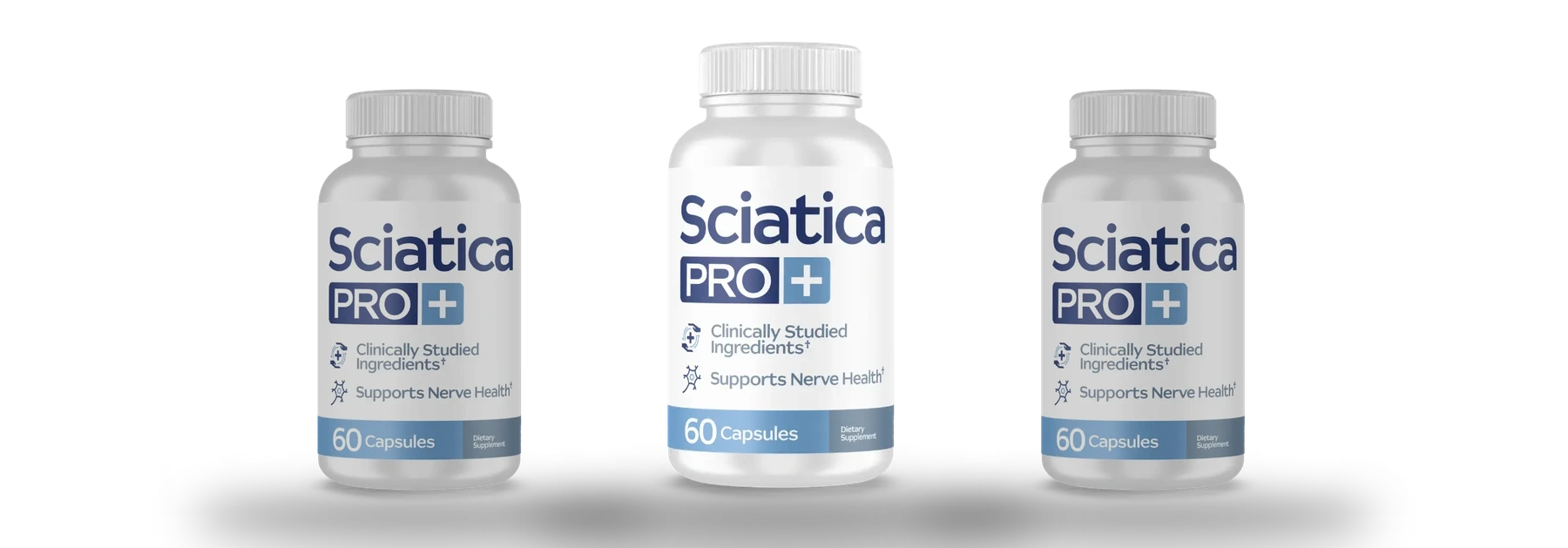
Ready to try Sciatica PRO?
Pick a pack and see the price at checkout. The money-back guarantee is 60 days from purchase, unless the sales page prints a longer window. Questions first? Contact the order desk.
Sold through a U.S. stocking partner for Sciatica PRO. This site is not the manufacturer and earns when you buy.Keep reading
“Clinically studied” — for what?
What the phrase on a supplement bottle does and does not promise, and which condition the …
Read more →Vitamin B6 and nerves
Why vitamin B6 matters for nerves, why too much of it causes nerve damage, how B6 stacks a…
Read more →Sciatica PRO ingredients
All ten, with the amounts printed on the panel.
Read more →